
This morning watching TV, I saw an interview with two wonderful mums from the Black Child Down Syndrome project. They were discussing their work, how little visibility for Black children with Downs Syndrome have and how they wanted their children to be able see themselves represented in the world around them.
It made complete sense to me. We all need to see ourselves represented, but for some people this is harder to find. We need to see people like us in the media, books, stories and in the world in general. The beautiful photographs these women were showing did a wonderful job of celebrating their children and who they are.
They spoke about their children seeing their faces on the giant screens in London. I thought about how much that would have meant to those children, seeing themselves represented on such a large scale, in central London. Showing them that they belong in the world they inhabit, just as much as anyone else.
I think this speaks for something we all need. The need to feel that we are part of a community, that we belong, that we are not the only person of our race, gender, disability, or identity. That we are part of the world round us.
But I think there is a difference between being visible and being seen.
We can be visible because we standout, because we look different or because people notice something about us. But that does not necessarily mean we feel seen.We don’t want to be noticed because we are seen as odd, a sex object or trouble because that is what is defined by part of us. We need to feel accepted and valued for who we are.
Support and peer groups can be wonderful places for finding that sense of belonging. They allow us to connect with people who can relate your experiences, who perhaps navigate the world in a similar way to us. It is a great comfort to know someone understands.
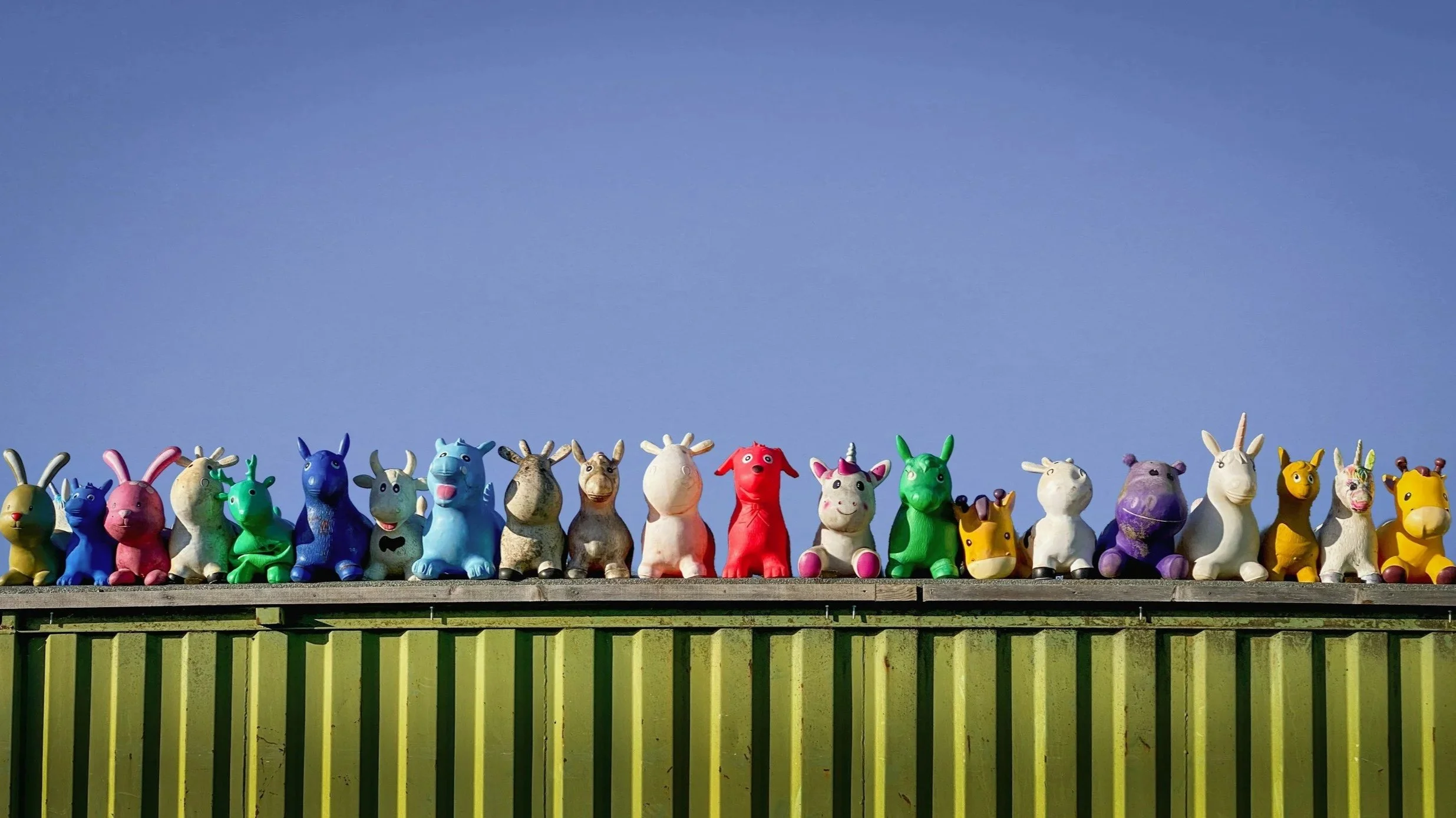
However, belonging to a smaller community does not always mean we feel part of the wider society.
The media, arts, literature and the images we see around us help shape our understanding of what the world looks like and whether we belong. When we continually see people who look like us, think like us and share our experiences we receive a that quiet message “I belong”.
And if we don’t?
We question it.
We start to feel part of us doesn’t belong and needs to be hidden, changed or explained away to be accepted. It may even change what we believe about ourselves.
I don’t think this is done deliberately. Much of it is influenced by unconscious biases. The assumptions we develop are about what is normal, familiar and that lack of representation can reinforce the very same biases.
This is why representation matters. Not just for the underrepresented, but for everyone.
The introduction of an Autistic Barbie or a Black Doctor Who might challenge some peoples expectations and create conversations. But they also help demonstrate that society is made up of a wonderful mix of people. They challenge the idea that there is only one way to look, think, behave or exist in the world
So that perhaps one day what seems unusual becomes normal
We do not live in solitude, we live as part of a wider society and most of us want to feel like we have a place within it. We want to be seen, understood and valued.
When a person continually feels like they don’t belong, it can gradually affect how they see themselves, their self worth and ultimately their mental health.
I think this is the most valuable thing about counselling and what it can offer. The opportunity to be seen and heard without judgement, without having to explain or justify who you are. For someone to accept you as you are, authentically you.
Sometimes we spend so much of our lives fitting into what is expected of us, we loose sight of ourselves.
Perhaps that is why this interview resonated with me so much.
I am mixed race, but didn’t grow up with my dad or his family around me, so my family was white. I grew up in a predominantly white community, and apart from my younger brother I didn’t know any mixed race people.
I always felt odd ticking that box on forms. It never felt like me. I didn’t feel mixed race, I felt white. That was the world I knew, the people I grew up around and the identity I felt.
Looking back, I wonder how much of my understanding of myself was shared by the people around me. I wasn’t necessarily rejecting part of my identity but I didn’t connect to it. It was something I knew but didn’t understand. Something about me that I was always unsure of.
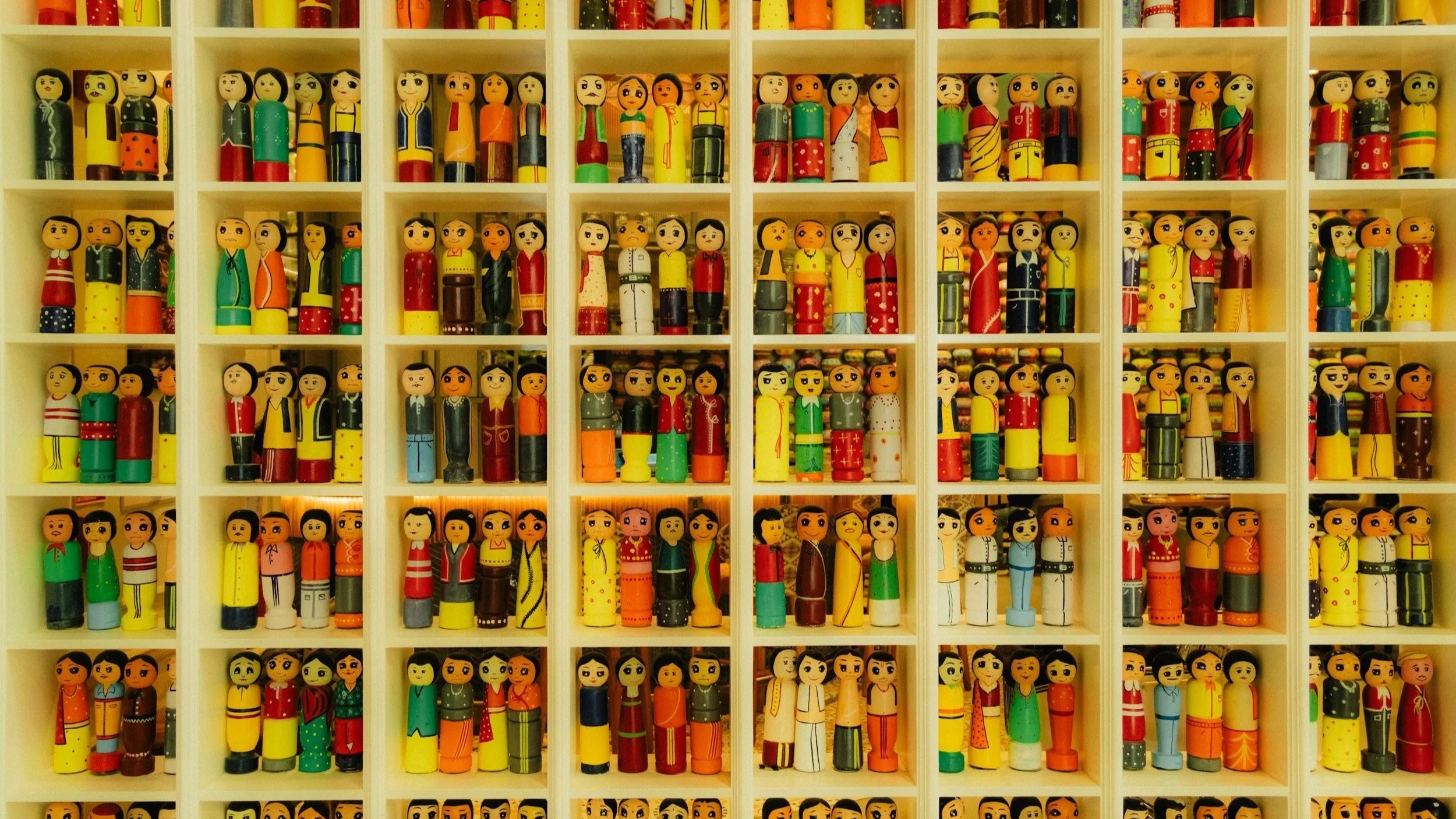
I didn’t see other people who reflected that part of my identity, so perhaps I never had the chance to explore or understand it. Therefore I never really able to accept that part of me.
For years when people asked “where are you from?” I would answer the question they had asked, even though I knew what they were really asking. I just ignored the unasked question.
It has only been the last few years that I have started answering the unasked question. That I have felt comfortable saying who I am, rather than leaving part of myself unmentioned.
Which is interesting, I was the same person. My background hasn’t changed, but my understanding and acceptance has.
It makes me wonder how much of who we believe we are comes from the world around us, and how much of ourselves we might never fully explore because we haven’t had the opportunity to see them reflected elsewhere.
We often learn who we are through our relationships, our community and the message we receive from the world around us. When parts of ourselves are not seen in the world around us, perhaps it becomes harder to recognise and understand them.
And so we come back to those two mums and the work they are doing.
Thinking about those children seeing their photographs displayed across London. I wonder what that experience will mean to them when they are older. Perhaps it will mean the question of where do I fit wont need to be asked.
Representation alone cannot remove the barriers or prejudices someone may experience but it can create a world where more people can feel included and valued.
I am so please there are people like the women behind the Black Child Down syndrome Project who are working to ensure their children and others like them, are represented.
Because being seen isn't just about having our faces recognised. It's about knowing that we have a place in the world, that our experiences matter and that we don't need to change who we are to belong.
And isn't that something we all deserve?