
Do you need a diagnosis?
I have been asked by clients on many occasions whether they should get a diagnosis for Autism or ADHD when they have suspicions they might be neurodivergent
My answer is always the same, I can’t give you that answer, only you can decide what feels right for you.
There is no right or wrong answer. For some people receiving a diagnosis means a lot. For others, recognising that they may be neurodivergent is enough. What matters is what will the diagnosis mean to you?
When a diagnosis helps make sense of the world
For some people, receiving a diagnosis suddenly makes sense of the world for them, gives answers about the world around them and experiences they have carried throughout their whole life.
Maybe you have always had a feeling that you are different. You don’t quite fit. Things that seem easy for others take enormous effort and energy.
So you adapt.
Maybe you make yourself small, so no one will notice you. Maybe you become the class clown, making everyone laugh so they don’t see what is really going on underneath. Perhaps you become the organiser, planner, or fixer, and being useful becomes your identity.
You learn how you are supposed to behave and become very good at playing your role.
For someone who has spent years masking, adapting and trying to prove themselves, receiving a diagnosis can mean that you are finally seen.
A diagnosis can help someone look back at their life through a different lens, a clear lens. Experiences that had brought shame, confusion and frustration now make sense. This can bring relief and understanding. It can also bring sadness, a sense of what was lost and what could have been if you had known sooner.
Why are more adults recognising neurodivergence
Late diagnosis is becoming increasingly common
Sometimes parents supporting their children through the assessment process begin recognising aspects of themselves in their child’s experiences. They hear their children’s describing their thoughts, experiences or struggles, and think “wait, that’s me too”
This then prompts a process of questioning and self discovery.
For some women this recognition happens during perimenopause and menopause. Hormonal changes make existing ADHD traits harder to manage, strategises that previously helped someone cope or mask no longer work. Making some feel so overwhelmed they are questioning their own mental health.
Someone who has spent decades holding everything together simply can’t anymore.
Some neurodivergent people have spent years seeking support for anxiety, overwhelm or depression without recognising that these difficulties were connected to living with undiagnosed Autism or ADHD.
This doesn’t mean that people with autism and ADHD cant experience mental health (statistically your chances of poor mental health are higher). But understanding your neurodivergence provides another piece of the puzzle.
So what does a diagnosis give you?
For some people, a diagnosis brings validation.

It gives an understanding to why the world is experienced differently. It enables them to recognise their needs, and in some cases access support and reasonable adjustments.
It provides permission to have different needs
Permission to wear ear defenders
Permission to ask for extra processing time
Permission to take decompression breaks
Permission to do things differently
Of course, asking for what you need does not require a diagnosis. Your needs haven’t developed just because you have a diagnosis. You can understand and facilitate your needs without a formal diagnosis
But for some people being able to say “I am autistic” or “I have ADHD and this is what I need” can make asking feel safer.
Why might someone choose not to get diagnosed?
Diagnosis isn’t necessary for everyone.
Some people already understand themselves and don’t feel that a formal diagnosis' would add anything. Others may not want to be labelled or stereotyped.
And stereotypes certainly exist
Not every autistic person likes trains. Not every person with ADHD is bouncing around the room. Neurodivergent people are as individual as every neurotypical person.
I’ve worked with people who haven’t pursued a forma diagnosis but have developed a much greater understanding and acceptance of themselves.
Children, diagnosis and the school environment
There is a lot of talk about the rise is children who are being diagnosed with Autism and ADHD.
Greater awareness and improved screening are certainly playing a part in this. We are now better at recognising neurodivergence in children who may have previously been overlooked.
But I also think it’s important to consider the environment children are expected to function in.
Schools can be incredibly demanding environments. There are academic demands, transitions, noise, social demands, busy halls, classrooms and dining areas. Constant processing at pace. Schools themselves are stretched and support isn’t always available. Some children flourish, others struggle.
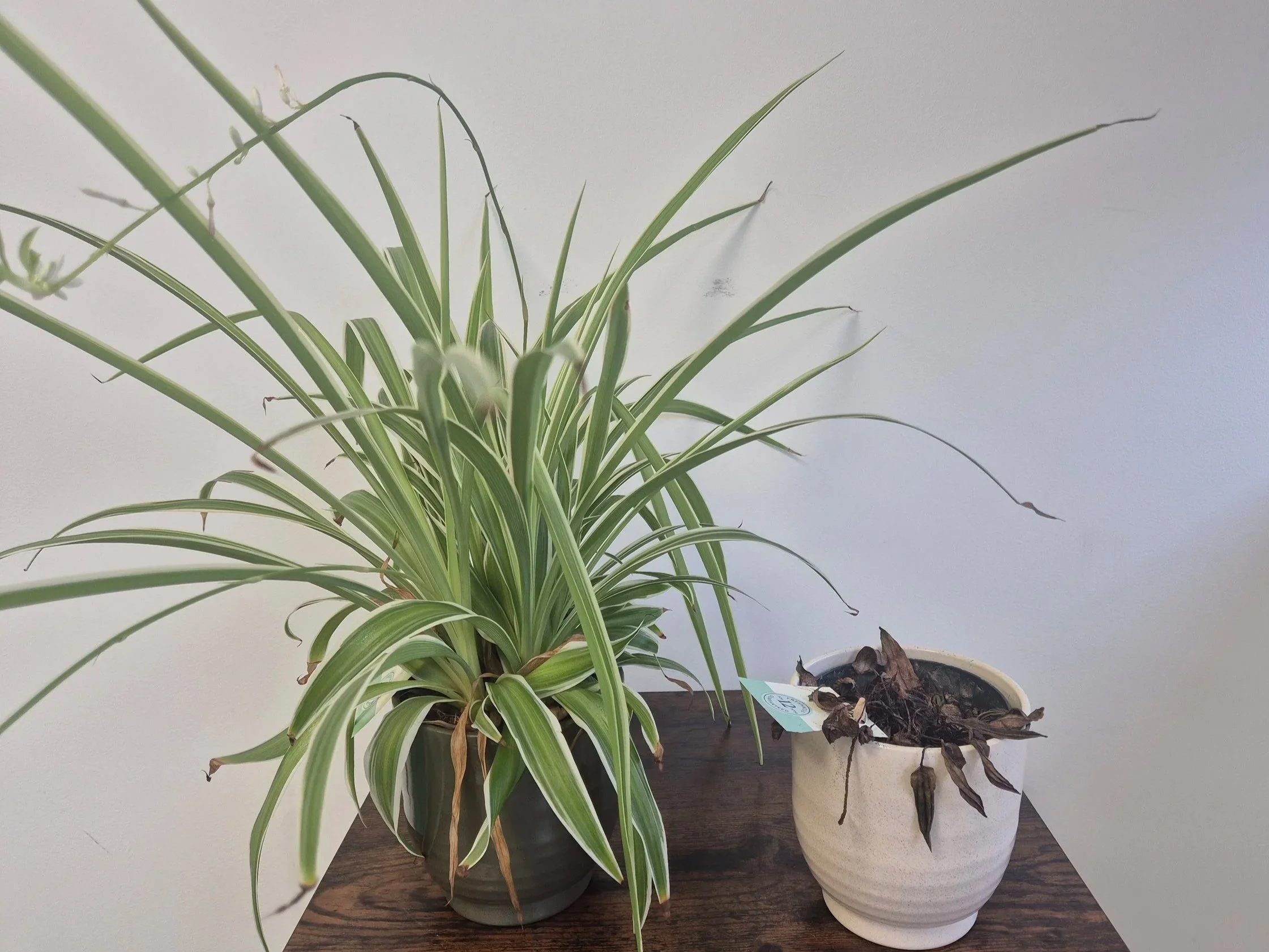
I have 2 plants in my office a spider plant and Ceropegia.
My spider plant is thriving, with babies popping up everywhere,
My Ceropegia is struggling.
But my Ceropegia is not a bad plant, it isnt failing. There isn’t anything wrong with it,
My office simply isn’t the giving it what it needs to thrive
When someone is struggling instead of asking “what is wrong with this person” we should be asking? “what does this person need?”
Should you get a diagnosis?
I can’t answer that.
Perhaps a more useful question is “Would having a diagnosis help me?”
Would it help you understand yourself?
Would it answer questions you’ve carried for years?
Would it help you ask for what you need?
Would it allow you to be kinder to yourself?
Or do you already understand yourself without needing somebody to confirm this?
Only you can answer this
Whether you choose to pursue a diagnosis or not, understanding and accepting yourself matters.
You don’t need a diagnosis to recognise that certain environments overwhelm you, that you need more time to process, that you need periods of quiet or simply experience the world differently.
Counselling can offer a space to explore those experiences without judgement, expectations or presumption of what is best for you.
A space to understand what you need, what works for you and ultimately a space to be you.